The Screen Submodule provides an api to navigate between different "screens" on the UI. Each screen must provide an enter, update and a leave method; which will be called from this module at the right time. The implemented screens of the application are documented in the Screens module.
| typedef void(* SCREEN_CALLBACK) (void *screen) |
Prototype for Event Listeners (called when the screen is entered, left or should be updated)
- Parameters
-
| screen | The pointer to the SCREEN_STRUCT where the event occurred |
Structure to configure the Screen
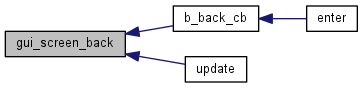
Navigate one screen back as soon as the app enters the main loop again. It's safe to call this method from an interrupt
- Returns
- true on success
Returns the currently active screen
- Returns
- A Pointer to the active SCREEN_STRUCT
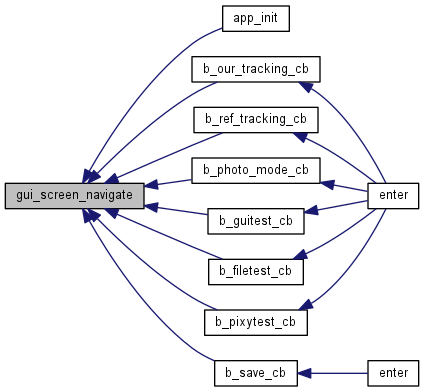
Navigate to the given screen as soon as the app enters the main loop again (and gui_screen_update() is called) It's safe to call this method from an interrupt
- Note
- Do not pass a screen which is already in your history of screens!
- Parameters
-
| screen | A Pointer to the preinitialized SCREEN_STRUCT |
- Returns
- true on success
| void gui_screen_update |
( |
| ) |
|

 1.8.9.1

